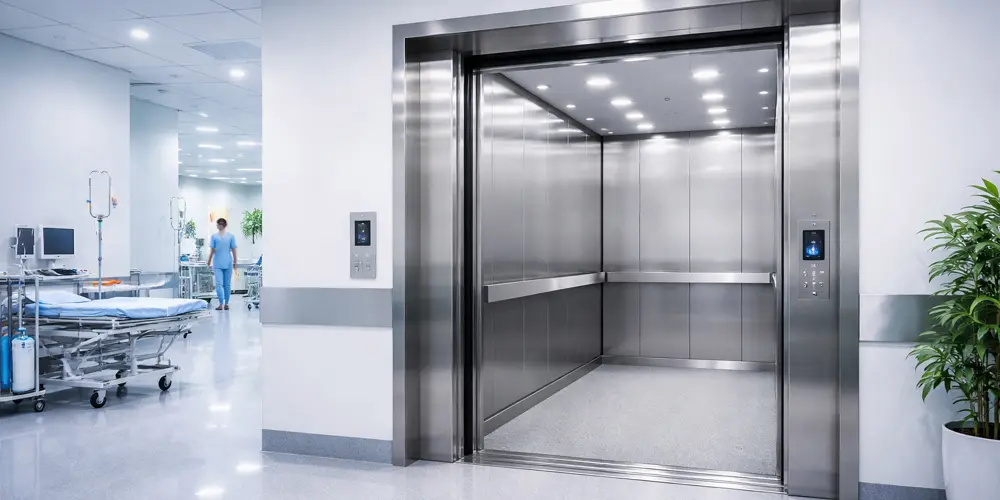
Hospitals buzz with activity. Patients fight for recovery amid beeps, footsteps, and urgent calls. Yet one often overlooked element shapes their experience: the elevators. These lifts carry more than people—they transport hope, medical gear, and fragile lives. In stressful healthcare settings, noisy or bumpy rides add unnecessary strain. This piece shows how smooth and silent hospital lifts boost patient healing, streamline operations, and ensure safety. We explore why these features matter deeply in places like busy wards or quiet recovery rooms.
Hospital noise hits hard on those trying to rest. Lifts that clank or hum can disrupt sleep cycles. This matters because rest aids healing.
Elevated sounds from daily operations raise stress in patients. A study in the Journal of the Acoustical Society of America notes that noise above 45 decibels delays wound healing. Lift noises contribute to this, spiking anxiety and pain feelings.
Patients often wake from sudden dings or whirs. This leads to higher use of pain meds. Silent hospital lifts cut these issues, fostering calmer spaces.
Think of it like a quiet library versus a noisy cafe. The first lets you focus; the second scatters your thoughts. In recovery, silence equals progress.
People with mobility challenges need gentle rides. Post-surgery folks or those on beds feel every jolt. Vibrations can worsen injuries or unsettle IV lines.
Neonates in NICUs or ICU patients rely on steady transport. Jerking motions risk dislodging tubes. Smooth elevators protect these delicate needs.
One example: A hospital in Texas switched to vibration-free lifts. Reports showed fewer equipment mishaps during moves. Patients reported less discomfort too.
Guidelines from the World Health Organization suggest keeping patient areas under 35 decibels at night. Many older lifts exceed 50 decibels during runs.
Modern silent hospital lifts drop to 30 decibels or less. They use quiet motors that meet these marks easily.
Track levels with simple tools like sound meters. Facilities that upgrade see quick wins in quieter zones. This data guides better choices for healthcare environments.
Lifts shape how hospitals run. Smooth ones keep things moving without hitches. They save time for everyone involved.
Time-sensitive items like blood samples or surgery kits can't afford delays. Bumpy lifts might spill or damage contents on gurneys.
Smooth starts and stops hold everything secure. Nurses push carts without worry. This keeps labs and ORs on track.
In one case, a New York clinic cut transport errors by 20% after installing quiet, even elevators. Schedules flowed better, and no samples arrived compromised.
Noisy or unreliable lifts pull staff away from patients. Constant checks or restarts drain energy. Silent models run steady, freeing up focus.
Fewer breakdowns mean less downtime. Teams respond faster to calls. This boosts morale and care quality.
Imagine a nurse racing to an emergency. A quick, quiet lift gets her there without extra stress. Efficiency turns into better outcomes.
Destination dispatch tech groups calls smartly. It predicts needs and smooths stops. Wait times shrink in high-traffic areas.
These systems pair well with silent hospital lifts. Doctors reach bedsides quicker. Overall flow improves for all shifts.
Hospitals using this setup report 15% less wait time. It's a simple upgrade that pays off in daily routines.
Safety tops every hospital list. Lifts play a key role here. Smooth and silent ones go further than rules demand.
Level floors matter for safe steps. Uneven stops create trip risks, especially with wheelchairs or beds.
Precise deceleration keeps doors flush with halls. Staff handle heavy loads without slips. This cuts accident reports.
Data from the CDC shows falls cost hospitals millions yearly. Quiet, even lifts reduce these hazards. Everyone moves with confidence.
Vibrations from old lifts wear out gear fast. Monitors or stretchers shake loose over time. This leads to costly fixes.
Silent models with isolators protect items. They last longer under daily use. Budgets stretch further.
A Midwest hospital saved 25% on maintenance after upgrades. Gear stayed intact, and transports ran smoother.
Standards like ASME A17.1 stress reliable lifts in care settings. They cover safe speeds and quiet ops indirectly.
Smooth hospital elevators meet or beat these. Inspectors note fewer issues. Compliance becomes routine.
Many states adopt these codes for health builds. Investing here avoids fines and downtime. It's smart planning.
Patients judge care by small details. Lifts set tones early and late. Quiet ones build trust.
Your ride up greets you to the hospital. A clunky one feels outdated and uncaring. Smooth silence says the place runs well.
On discharge, the same applies. A calm exit leaves good memories. It ties into overall satisfaction scores.
Surveys from Press Ganey link quiet environments to higher ratings. Patients feel valued when details shine.
Sudden noises agitate those with dementia or anxiety. Geriatric wings see more upset from bumpy lifts.
Silent rides ease minds. Less startle means calmer moods. Therapy works better in peace.
One UK study found noise-linked agitation up 30% in noisy units. Quiet lifts helped drop that. Mental health gains follow.
Choose gearless motors for near-silent runs. They cut noise without gears grinding.
Add vibration isolators to floors. These absorb shakes before they spread.
Recon Elevators offers these features. Their models hit low decibels and level stops. Contact them for a consult to fit your needs.
Smooth and silent hospital lifts transform care spaces. They aid recovery by curbing noise stress, speed up workflows for better efficiency, and raise safety beyond basics. Patients heal faster, staff works smarter, and facilities comply with ease.
This isn't just tech—it's care at its core. Modern hospitals thrive on patient focus, and quiet elevators deliver that. Recon Elevators leads with reliable, whisper-quiet solutions tailored for healthcare.
Ready to upgrade? Reach out to Recon Elevators today. Invest in lifts that heal as much as the hands that tend. Your facility—and patients—will thank you.
Track and Analyze on Time Delivery.
Best rated reviews
Genuine repeated happy customers.
We provide Repair & AMC services for all type of passanger lift & elevator like OTIS, Kone & Schindler.
Let's talk with us
+91-9999996180Get customer care
info@reconelevator.com